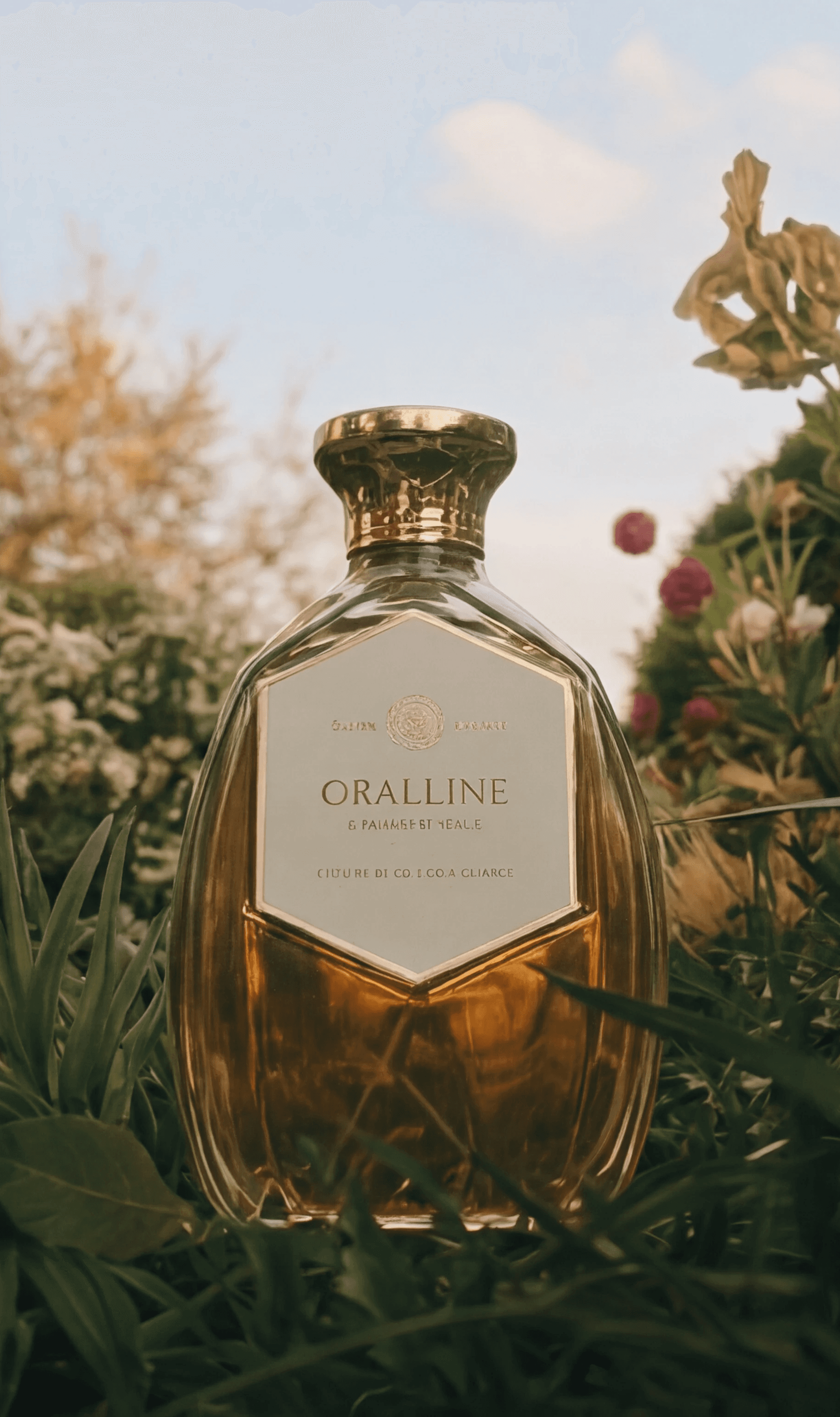
The Idea
A spot in a league you don't usually play in
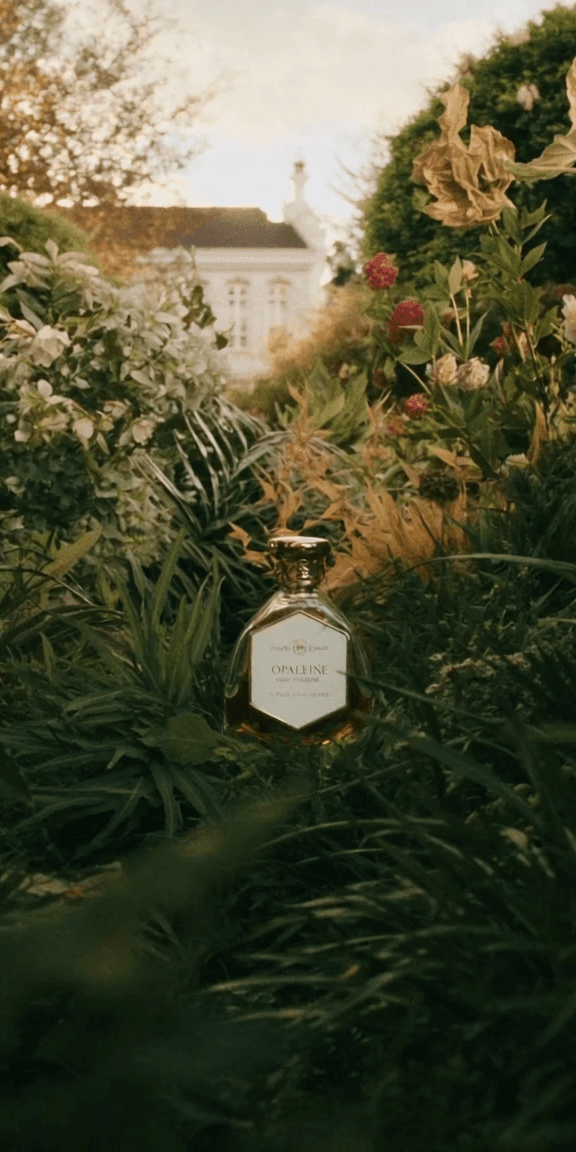
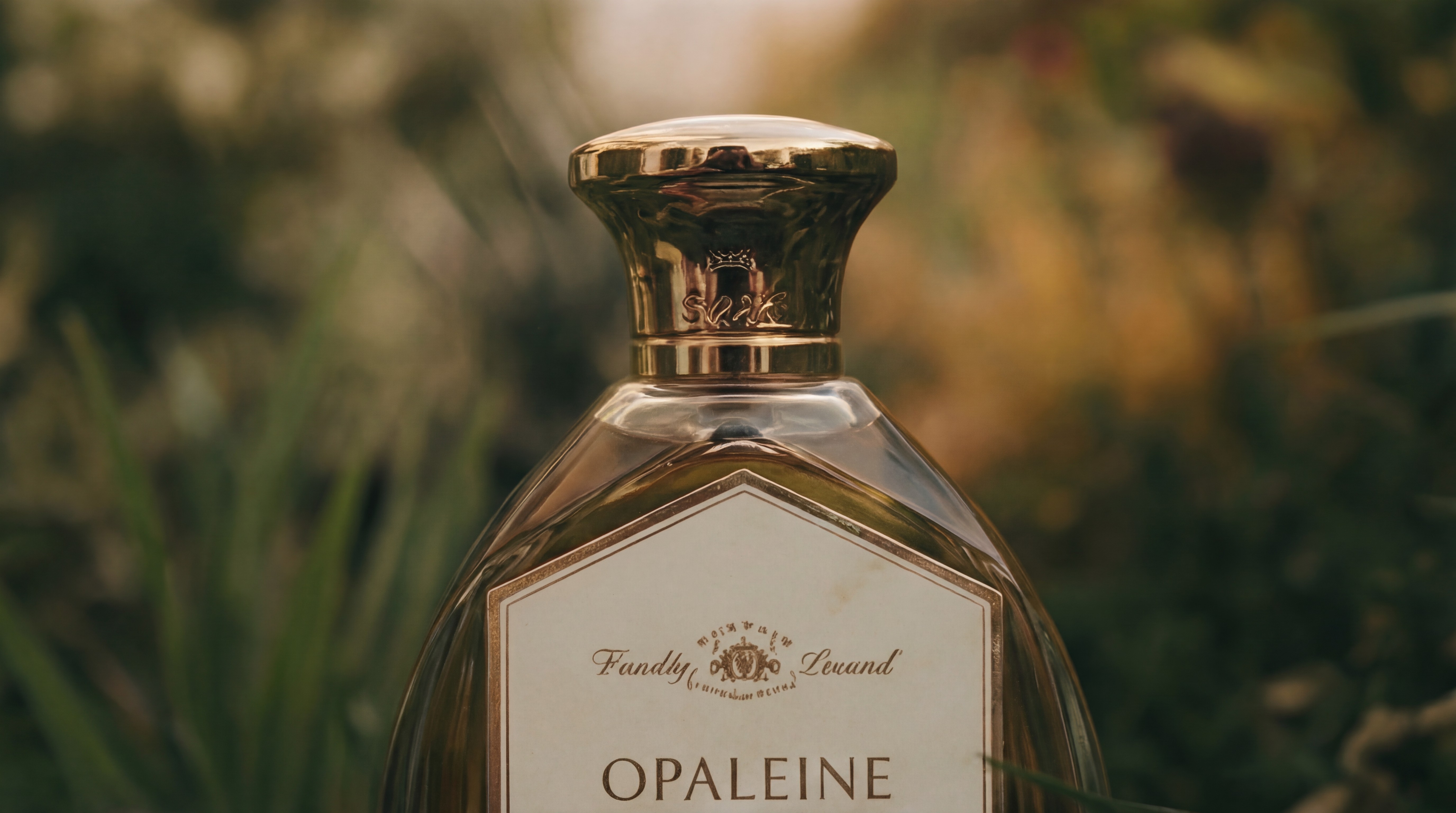
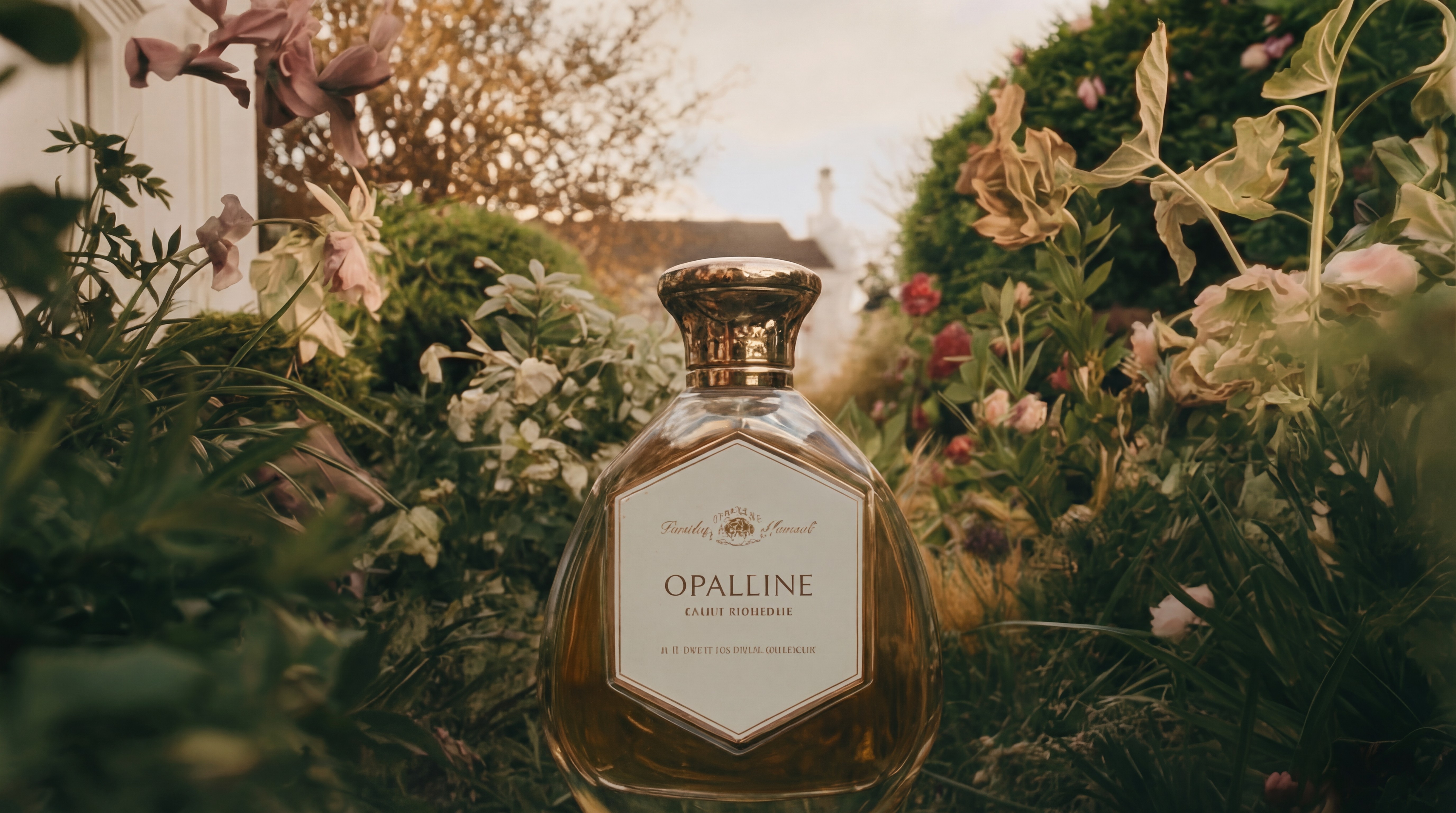
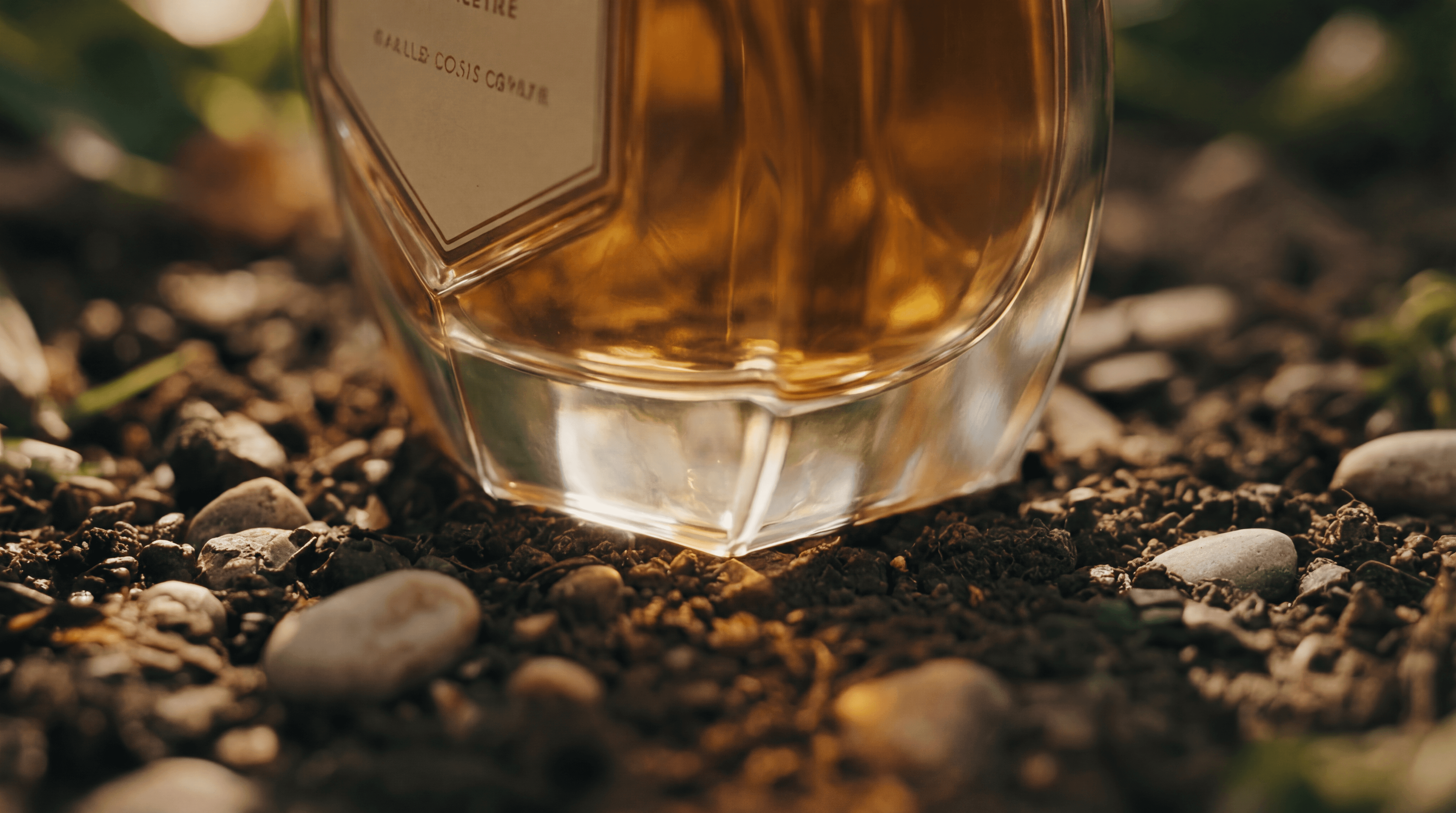
High-end summer fragrance is one of the most expensive advertising genres in existence: Mediterranean locations, top-tier talent, months of post-production, budgets in the seven figures. The result is a visual language everyone recognizes — but few can produce themselves. Sun on skin, white linen in the wind, the flacon caught in exactly the right light.
This study takes on a simple question: can that essence — pace, light, gesture, fabric, mood — be generated independently using AI? Not imitated, not copied, but as a new piece of work that holds its own in the same visual league.
Material & Method
The essence, not the copy
The challenge wasn't the look. It was control. Generative models produce beautiful single frames quickly — what they rarely deliver is consistent sequences in which lighting, skin tone, materiality, and motion remain stable across multiple shots. That consistency is exactly what separates a commercial from a gallery.
What looks like a 30-second spot is the result of systematic prompt development, iterative model steering, and coherent image logic across every cut. The real value of the method shows not in the final result, but in its economics: visual worlds that would tie up six- or seven-figure budgets in conventional production are produced here in a fraction of the time and cost — without the result giving it away.
For brands, this opens up new territory: faster iteration, more variants tested before main production — or, depending on ambition, full campaigns produced without it.